Advocacy
Keeping North Caroilna AEC Friendly
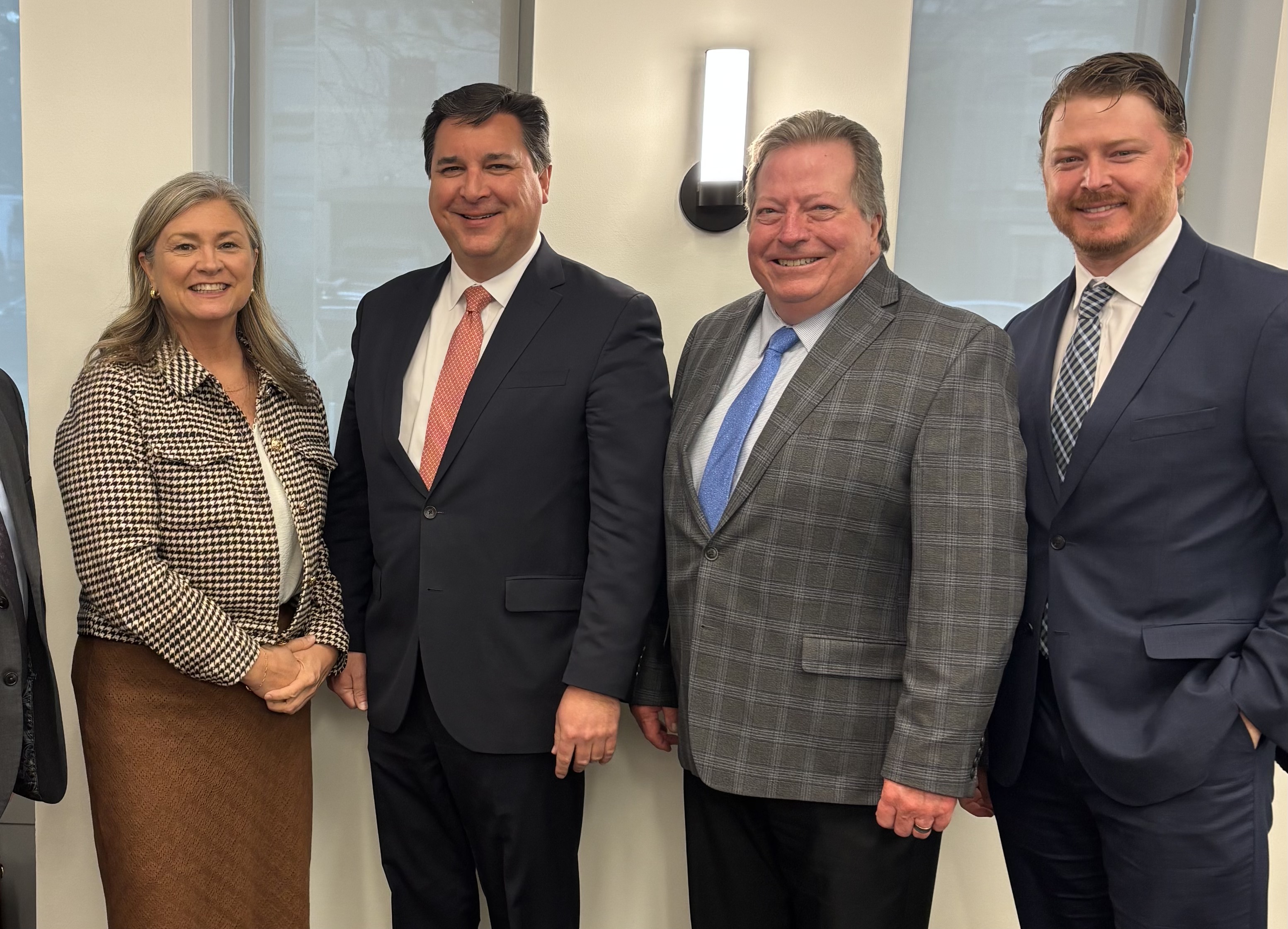
Legislative Focus: Building Influential Relationships and Advocating for the Engineering Industry
The American Council of Engineering Companies of North Carolina (ACEC/NC) is the sole organization in North Carolina that represents the business interests of the engineering industry in our state. A key component of ACEC/NC’s mission is to “promote the business interests of engineering companies by providing legislative advocacy”. We work on behalf our member organizations to support and promote issues that are of importance to them and the engineering industry, both on the state and federal levels.
Latest News
NC General Assembly
North Carolina’s Legislative Short Session is the second year of the state’s biennial legislative cycle, held in even-numbered years, and is typically more limited in scope than the long session. Lawmakers primarily focus on adjusting the state budget, addressing time-sensitive issues, and considering bills that passed one chamber in the previous long session.
NC Legislative Primaries - March 2026
This report summarizes the key outcomes from the March 3, 2026 North Carolina primary election. Statewide turnout was approximately 19.6%, similar but slightly below the turnout in the 2022 midterm primary. A key takeaway was the unusually high number of incumbents defeated, with 5 Republicans and 3 Democrats defeated. While most races were called on election night, the extremely close Republican primary in Senate District 26 between Senate President Pro Tem Phil Berger and challenger Sheriff Sam Page has left important questions about the 2026 legislative “short” session unresolved. A recount, provisional ballot counting, and potential legal challenges will likely delay final certification for days or weeks in Senate District 26. We continue to monitor these developments and will provide timely updates.
Senate District 26 Republican Primary – Phil Berger vs. Sam Page
Incumbent Senate President Pro Tempore Phil Berger trails Rockingham County Sheriff Sam Page by two votes (13,075 to 13,077) with all precincts reporting unofficially. Page declared victory, citing grassroots momentum against more than $10 million in spending supporting Berger. Berger described the result as effectively tied and emphasized the need to count provisional ballots before any recount decision. There are approximately 189 provisional ballots outstanding to be reviewed by local board of elections officials – 137 in Rockingham County and 52 in Guilford County. Additionally, state law permits a recount in non-statewide races with margins of 1% or less, making one highly probable here. Litigation is also likely in this race, and if filed, could delay a final determination for weeks to months. If Page prevails, the outcome would represent a significant change in Republican Senate leadership and could affect budget, tax, and veto-override priorities for the 2026 legislative “short” session and beyond. UPDATE - BERGER HAS CONCEDED.
Republican Incumbents Defeated
Five Republican incumbents lost their primaries:
- Rep. Keith Kidwell (HD-79, House Freedom Caucus chair) lost to challenger Darren Armstrong.
- Rep. Reece Pyrtle (HD-65) lost to challenger Seth Woodall.
- Rep. Kelly Hastings (HD-110) lost to challenger Caroline Eason.
- Rep. Mark Pless (HD-118) lost to challenger Jimmy Rogers.
- Sen. Chris Measmer (SD-34, appointed incumbent) lost to challenger Kevin Crutchfield.
These races do not show much of a clear theme outside of voter discontent with incumbents. Rep. Kidwell and Sen. Measmer lost to more pragmatic conservatives, while Reps. Pless and Pyrtle lost to primary challengers who positioned themselves to their right. Rep. Hastings loss was compounded by an earlier announcement of his retirement and then a reversal; and various other local district concerns.
Democrat Incumbents Defeated
Three Democrat incumbents and a challenger who was previously in the House were defeated – all are primarily moderates who have supported Republican-backed measures on issues such as immigration and gender-related legislation:
- Rep. Shelly Willingham (HD-23) lost to challenger Patricia Smith.
- Rep. Carla Cunningham (HD-106) lost to challenger Rev. Rodney Sadler.
- Rep. Nasif Majeed (HD-99) lost to challenger Veleria Levy.
- Former Rep. Michael Wray (HD-27) lost to incumbent Rodney Pierce in a rematch from 2024.
This shift is likely to move the House Democrat caucus further left, reducing prospects for bipartisan cooperation or veto overrides.
Other Notable Legislative Primaries
Several primaries featured meaningful competition without resulting in incumbent defeats:
- Senate District 22 (Democrat) – Durham area: Incumbent Sophia Chitlik defeated DeDreana Freeman 65.6% to 34.4% in one of the highest-turnout Senate primaries.
- House District 113 (Republican) – Western North Carolina: Incumbent Jake Johnson defeated former Majority Leader Mike Hager 61% to 39%.
- Senate District 18 (Republican): Local attorney and former lobbyist, Chris Stock, defeated Wake County School Board member Cheryl Caulfield.
- Senate District 1 (Republican): Former Superior Court Judge Jerry Tillett won a crowded four-way Republican primary in an open seat with 38% of the vote.
- All six members of “NC Educators on the Ballot” all previously registered as Democrats or unaffiliated voters, switched parties to run as Republicans in the March 3, 2026 primary. They challenged incumbents or established Republicans in GOP-held House districts but were decisively defeated
Federal Races
- U.S. Senate: Roy Cooper (D) won the Democrat nomination decisively. Michael Whatley (R) secured the Republican nomination. This open-seat contest is expected to be highly competitive.
- Congressional District 1 (Republican primary): Laurie Buckhout won and will face incumbent Don Davis (D) in November.
- Congressional District 4 (Democrat primary): Valerie Foushee won a close primary over Nida Allam, who was endorsed by Bernie Sanders.
- Congressional District 11 (Democratic primary): Jamie Ager won and will challenge incumbent Chuck Edwards (R).
Judicial
- Seat 1 (Republican): Michael C. Byrne defeated Matt Smith in the primary.
- Seat 3 (Democrat): Wake County District Court Judge Christine Marie Walczyk won convincingly over Raleigh attorney James Weldon Whalen. Whalen campaigned on a more overtly political platform emphasizing strength against Republican opponents, but voters favored Walczyk's judicial experience and moderate approach. Walczyk advances to face Republican incumbent Judge Craig Collins in November.
These primary results indicate meaningful turnover in the General Assembly and set up several competitive general-election races. Our team is prepared to provide district-specific analysis, track certification processes, or discuss potential impacts on your policy and advocacy priorities.
Please contact us with any questions or requests for additional detail.
Legislative Tracker
ACEC/NC focuses on policy, not politics. Information on legislation we are tracking can be found on our Legislative Tracker
Top Legislative Priorities
- Highlighting the Value of the Engineering Industry
Promoting and showcasing the significance of our engineering community in North Carolina. - Establishing a Workforce Development Strategy
Addressing the urgent need for a resilient engineering workforce while laying the groundwork for future professionals. - Developing a Model-Based Design Transition Plan
Bringing clarity to a rapidly shifting landscape for 3D design and E-signature. - Promoting Qualifications-Based Selection (QBS) Legislation
Advocating for a fair procurement process prioritizing competence to safeguard public health and safety in construction. - Building Relationships to Benefit Engineers
Aiming to build and/or strengthen relationships with NCDEQ, NCDOT, NCBELS, and State Construction Office to advocate for our member firms. - Advocating for Transportation Funding Modernization
Establishing additional funding streams to ensure our state's infrastructure keeps pace with the demands of a growing population. - Enhancing Educational Opportunities in Legislative Committee Meetings
Utilizing expertise to keep members actively engaged, informed, and motivated. - Supporting National Initiatives
Collectively lobbying policymakers on Capitol Hill for policies benefiting the engineering industry, including rectifying R&D amortization and securing the future of IIJA.
Is there an initiative missing from the list?
Political Action Committees
Political Action Committees allow us in AEC professions to pool our support together and help business-friendly candidates and incumbents get elected. PACs are an essential tool in our advocacy toolbox and require financial support from our members to make an impact. For more information about our PACs, contribution guidelines or fundraising events, contact Tara Robbins at trobbins@acecnc.org
CECNC-PAC
The purpose of a State Political Action Committee is to support candidates for North Carolina State Office who share the goals/ideals of your industry or business. ACEC NC has operated a State-level PAC since 2017, that is funded solely by individual contributions from employees of member firms. The PAC works to directly support candidates for state office through campaign contributions. The PAC is regulated by the NC State Board of Elections.
ACEC NC PAC (State)
ACEC PAC
The ACEC PAC supports candidates for the United States Congress who understand, appreciate and promote the business interests of consulting engineering firms and the broader values of the consulting engineering profession. ACEC PAC only accepts personal contributions.
ACEC PAC (Federal)
ECNC (Engineering Companies of North Carolina)
ECNC is an Independent Expenditure Account whose purpose is to strengthen the effectiveness of our advocacy program and enhance the social welfare of the citizens of North Carolina. ECNC is an autonomous organization governed by a 5-person Board of Governors. It operates independently and distinctly separate from ACEC/NC. ECNC can accept both individual and firm contributions from anyone without limit and advocates for ballot issues and referendums that benefit the engineering industry and its firms. An independent expenditure allows quick response to issues and strong cooperation with our industry-related partners.
ECNC
Legislative Day
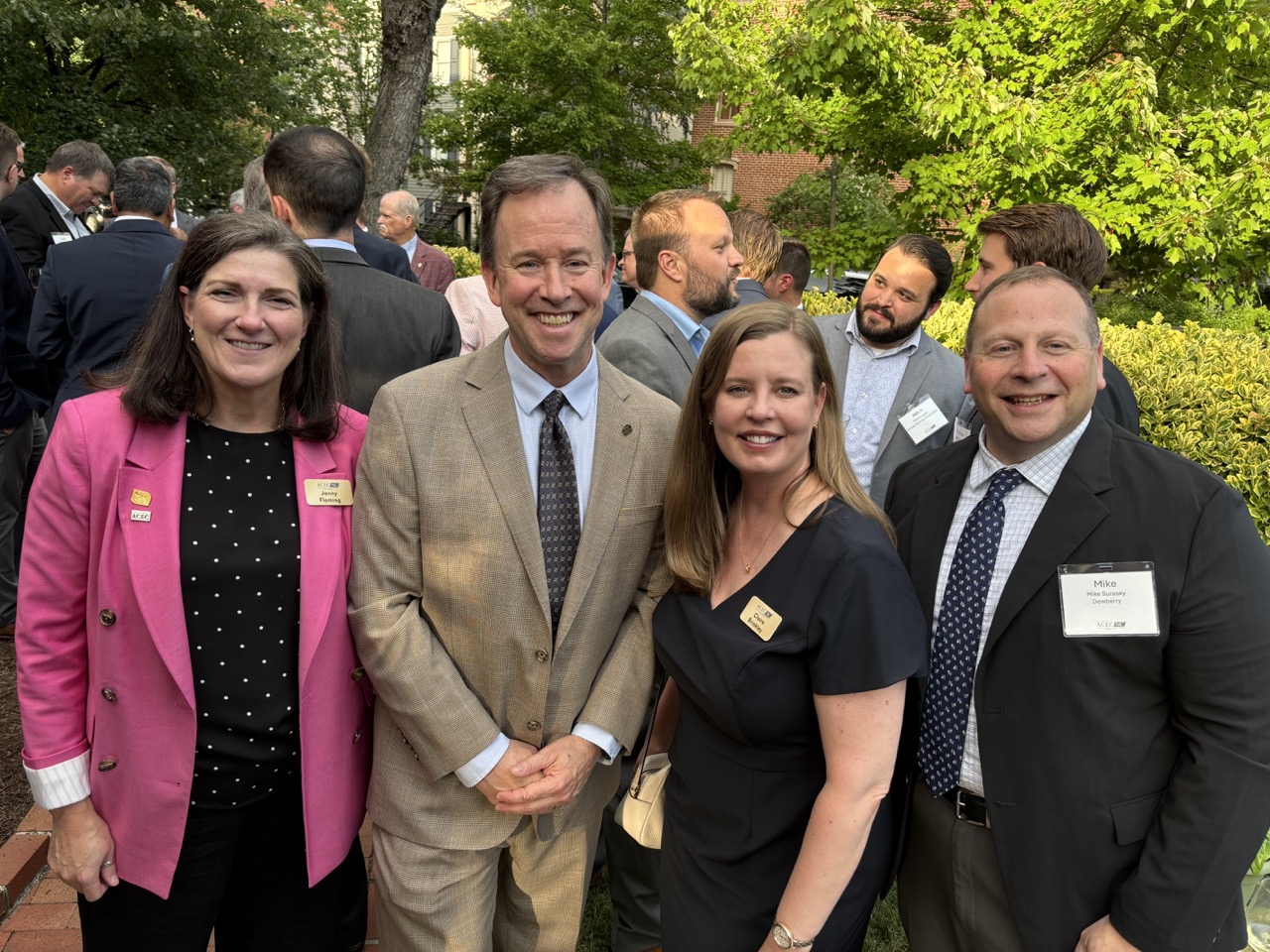
ACEC/NC Legislative Day is an annual event where members of the American Council of Engineering Companies of North Carolina (ACEC/NC) meet with state legislators and advocate for the interests of the engineering industry. The event aims to raise awareness of the importance of engineering services for the state’s infrastructure, economy, and quality of life. Our ACEC/NC Legislative Day is typically held in the spring and more details can be found on the event webpage.
Find YOUR legislators by visiting the North Carolina General Assembly website.
Our National Initiatives